Key Projects
Patent-Pending Medical Device with Two-Chamber Extrusion Mechanism
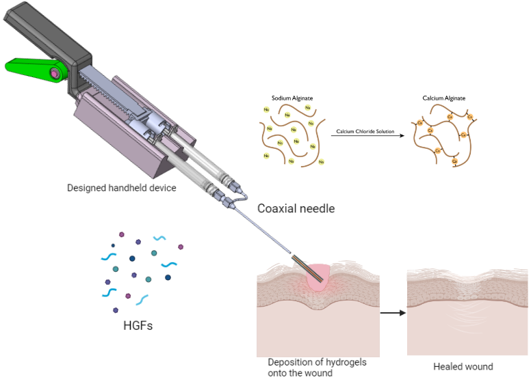
Led the complete design lifecycle of a patent-pending medical device for in-situOn-body Operation wound repair during larynx surgery, featuring a two-chamber extrusion system for controlled medicine delivery and precise dosage through a ratcheting trigger and gear train mechanism.
- Designed initial prototype from concept through detailed engineering
- Developed ratcheting trigger and gear train for controlled, precise medicine extrusion
- Optimized chamber geometry for consistent flow and surgical precision
- Led multiple design iterations based on testing feedback
- Ensured FDAU.S. Food and Drug Administration regulatory compliance and managed patent documentation
- Coordinated cross-functional development team to achieve design goals
Tools Used:
Mechanical Validation Testing
Conducted comprehensive mechanical testing using Universal Testing Machines to validate prototype performance, ensure tolerances, and confirm clinical reliability for surgical applications.
- Performed tension and compression testing for material strength validation
- Executed bending tests to simulate surgical use conditions
- Confirmed clinical performance requirements and documented test results for FDA compliance
Customer Discovery & Market Analysis
Led comprehensive customer discovery initiative including market analysis and user interviews with surgeons to define product requirements and optimize device ergonomics for clinical use.
- Conducted interviews with laryngeal surgeons
- Analyzed competitive landscape and existing solutions
- Identified unmet clinical needs in wound repair
- Optimized device ergonomics for surgical workflows
- Defined product requirements based on user feedback